

There's a particular kind of paralysis that sets in when someone you care about is grieving. You want to reach out, you want to help, but every sentence you start typing feels either too small or somehow wrong. "I'm sorry for your loss" feels hollow. "Let me know if you need anything" rarely gets used. And so, too often, people say nothing at all not because they don't care, but because they're afraid of saying the wrong thing.
If you're stuck in that exact moment right now, this guide is for you. We'll walk through what to say to someone grieving, why it matters more than you might think, and some genuinely meaningful sympathy gift ideas that go beyond a single card.
Why Silence Feels Safer, But Isn't
It's natural to worry that reaching out will remind someone of their pain, as if grief is something they might forget about if you don't bring it up. But grief doesn't work that way. The person who lost someone isn't waiting to be reminded they're already carrying it, every hour of every day. What they're often waiting for is a sign that someone else sees it too, and isn't afraid to sit with them in it.
Saying something imperfect is almost always better than saying nothing. Silence can feel, to someone grieving, like the people around them have simply moved on.
Words of Comfort for Loss: What Actually Helps
Words of comfort for loss don't need to be profound or perfectly worded. In fact, some of the most appreciated messages are the simplest ones. A few approaches that tend to land well:
Acknowledge the Loss Directly
Say the person's name if you can. "I've been thinking about [name] and about you" feels far more personal than a generic sympathy phrase, and shows you're not avoiding the reality of what happened.
Share a Specific Memory, If You Have One
If you knew the person who passed, a specific memory a story, a quality you admired, something small and true often means more than any general condolence. It tells the grieving person that their loved one made a real impression, and that their memory is being carried by others too.
Avoid Trying to Explain or Fix the Loss
Phrases like "everything happens for a reason" or "they're in a better place" are usually meant kindly, but can land as dismissive, especially early in grief. It's rarely your job to explain the loss it's your job to be present with the person experiencing it.
Offer Specific Support, Not Vague Availability
"Let me know if you need anything" puts the burden on the grieving person to ask, which many people simply won't do. Instead, offer something specific: "I'm dropping off dinner Thursday" or "I'd like to check in on you every Sunday for the next month." Specific offers get accepted far more often than open-ended ones.
Give Yourself Permission to Keep It Simple
You don't need to find the perfect words. Something honest and short "I don't know what to say, but I'm here, and I'm thinking of you" is often exactly what someone needs to hear.
What to Say When the Loss Is a Pet
Grief over losing a beloved dog or cat is real grief, even though it's sometimes minimized by people who haven't experienced that particular bond. If someone you know has lost a pet, treating that loss with the same seriousness as any other rather than saying "it was just a pet" matters enormously. Our loss of a dog or cat collection was built specifically around this kind of grief, because it deserves its own dedicated space rather than being tucked into general sympathy language.
Grief Doesn't Follow a Timeline
One of the hardest things for people outside of a loss to understand is that grief doesn't move in a straight line, and it doesn't end when the sympathy cards stop arriving. The first few weeks often bring an outpouring of support meals, calls, visits but that support tends to taper off just as the grieving person is starting to feel the full weight of what happened, once the initial shock has worn off and the reality of daily life without their loved one sets in. Understanding this pattern is part of why a single card, however well-intentioned, often isn't enough on its own. The support that matters most is frequently the support that continues showing up long after everyone else has moved on.
What to Say in the Weeks and Months That Follow
Reaching out once, right after a loss, is meaningful but so is reaching out again later, when the world has largely stopped checking in. A simple message weeks or months down the line, like "I was thinking about you today" or "I remember it's been a few months since you lost [name], and I wanted you to know I'm still thinking of you," can mean even more than the immediate outpouring of support, precisely because it arrives at a moment when the grieving person may be feeling forgotten by everyone except themselves.

Supporting Someone Through Grief at Work or School
Grief doesn't pause for professional obligations, and navigating a loss while still showing up to work or school adds its own layer of difficulty. If you're a colleague, manager, or friend supporting someone through this, small gestures matter: giving them space without making them feel isolated, checking in privately rather than putting them on the spot in front of others, and being flexible about deadlines or expectations without requiring them to explain or justify their grief in detail. A thoughtful card or gift extended in a professional context can also help bridge the gap between formal workplace boundaries and genuine human compassion.
Sympathy Gift Ideas That Go Beyond a Single Card
A traditional sympathy card is a kind gesture, but it's often opened once, read once, and set aside. For grief specifically which doesn't resolve in a day, a week, or sometimes even a year a gift that offers sustained comfort can mean far more than a single message ever could.
A Multi-Day Card Set
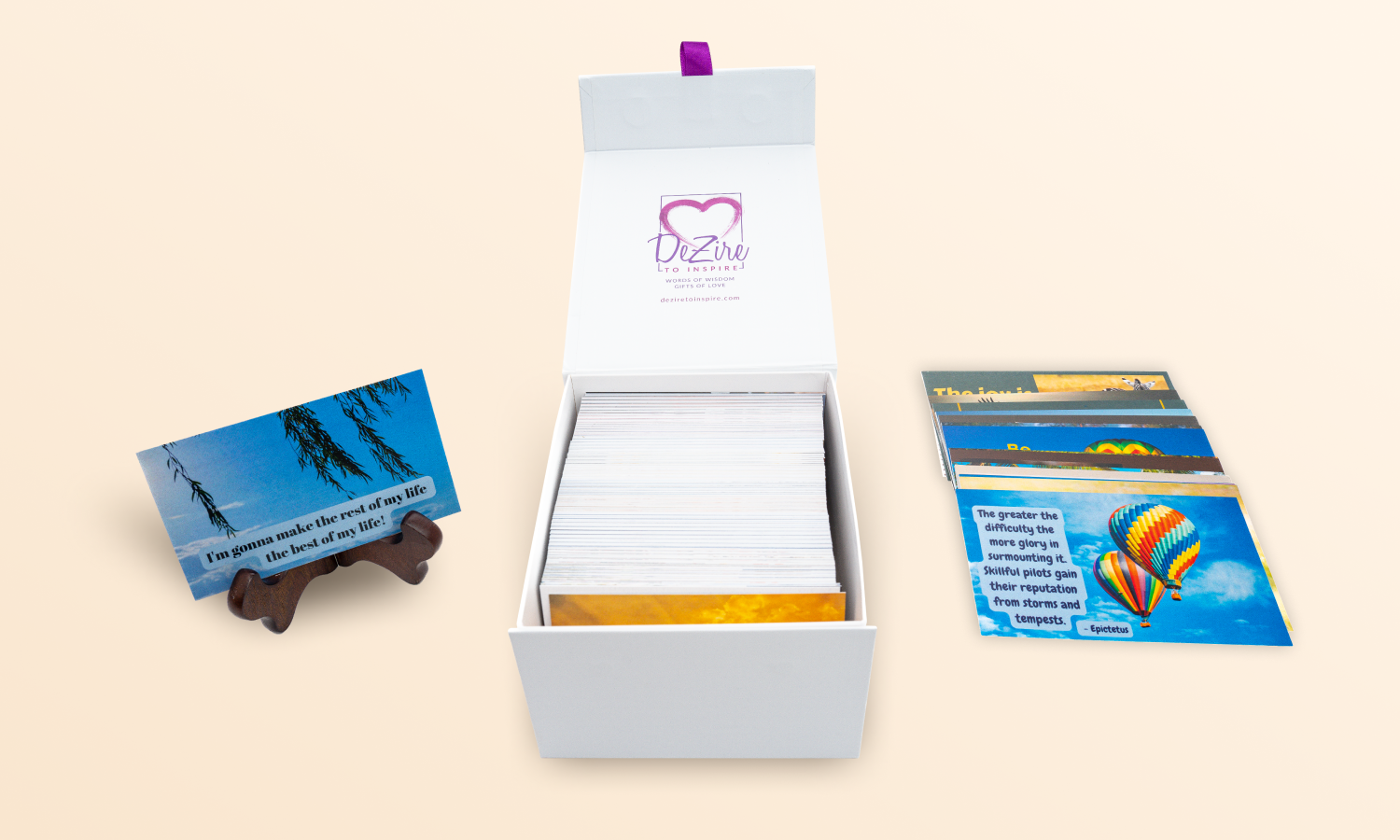
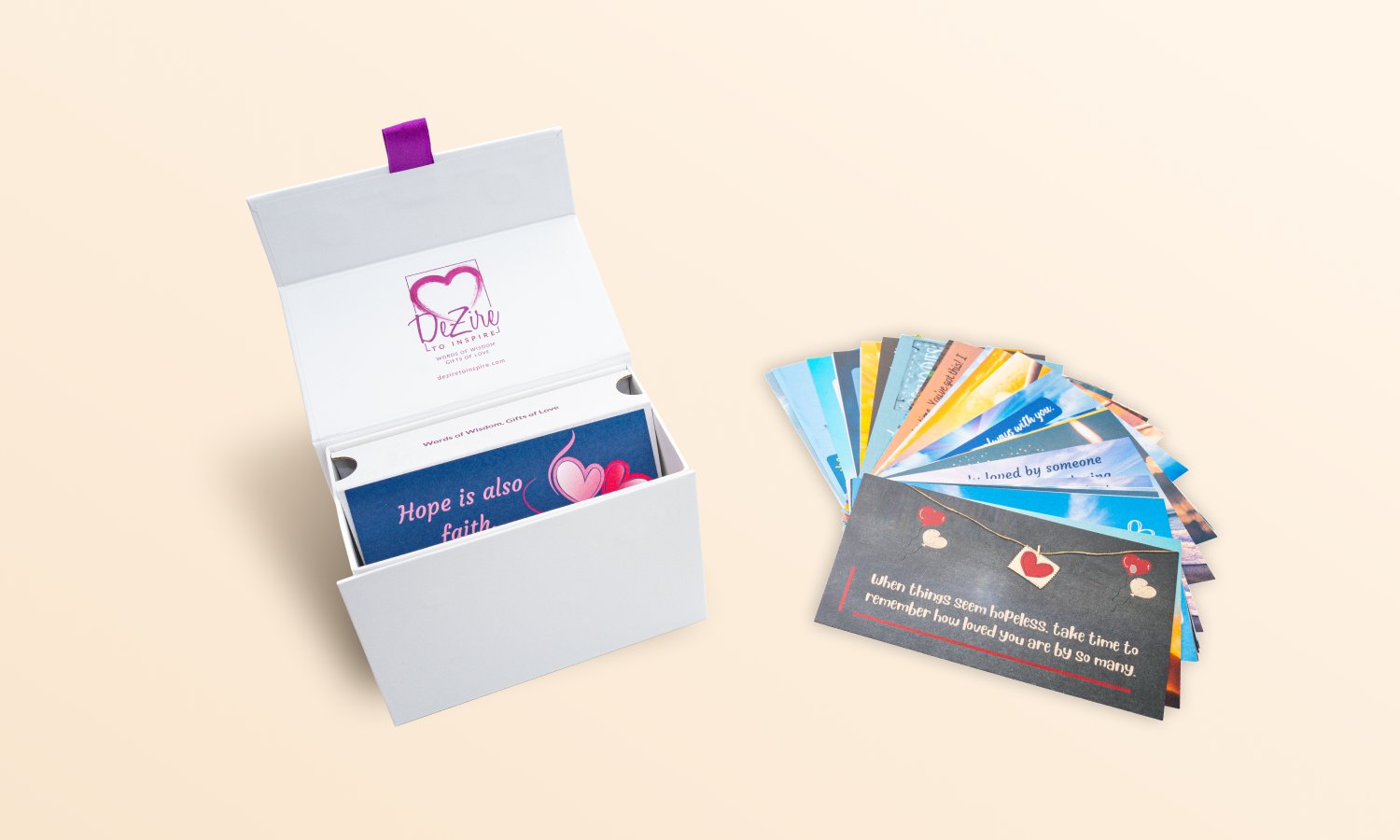
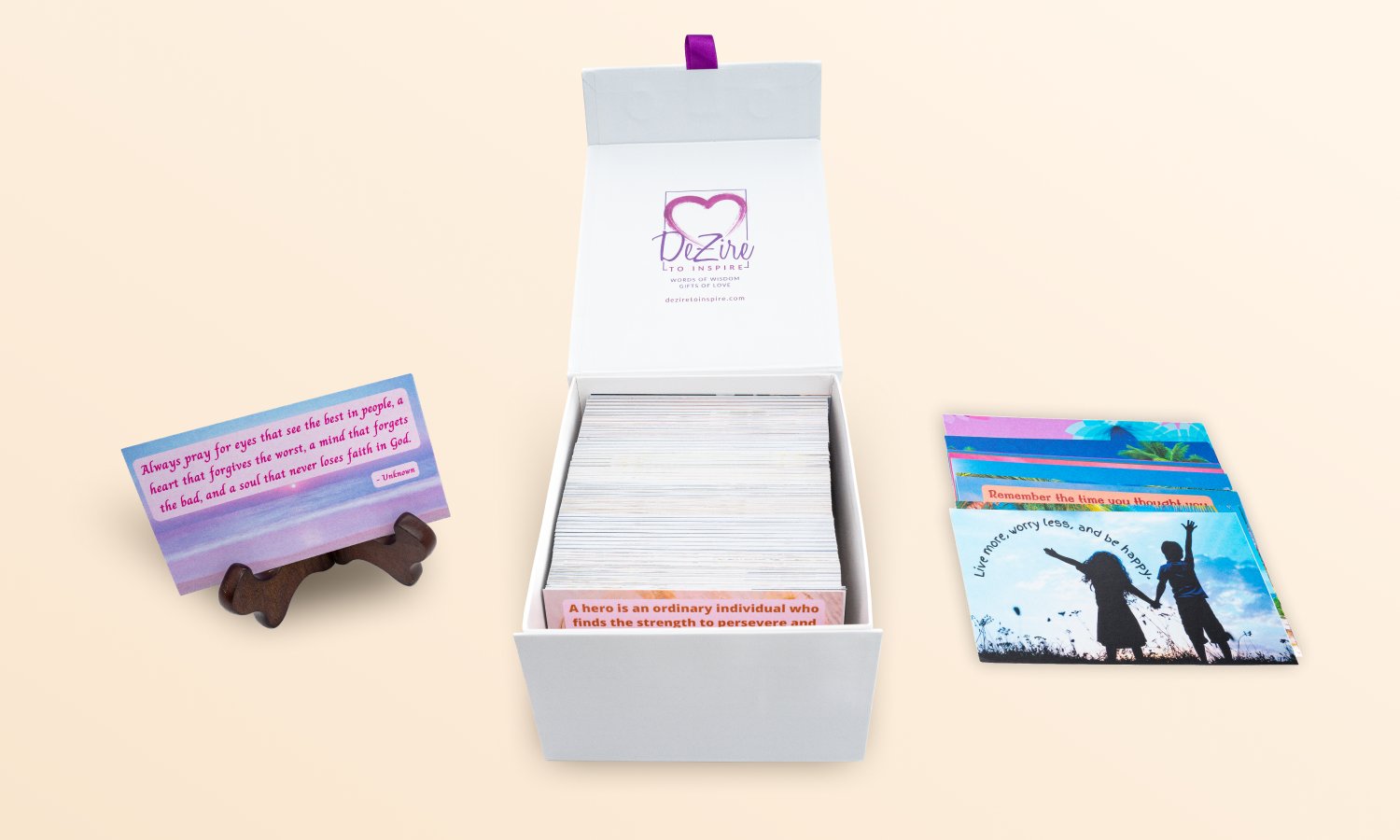
Rather than one card with one message, a grief gift built around a 30, 60, or even 365-day format gives someone something to return to again and again, long after the funeral, the casseroles, and the initial outpouring of support have faded often right around the time grief becomes loneliest, as everyone else's life moves on.
Something They Can Personalize
Some of the most treasured gifts are the ones people can make their own. Cards with space to write on the back allow a grieving person to record specific memories as they're triggered by a quote or an image, turning the set into a personal keepsake over time, not just a gift they received once.
A Gift for the Specific Type of Loss
Generic sympathy gifts can sometimes feel impersonal. Choosing something designed specifically for the type of loss the death of a parent, a spouse, a pet, a pregnancy tends to feel far more thoughtful and considered than something generic pulled off a shelf.
Practical Comfort Paired With Emotional Support
Pairing a card set with something practical a cozy blanket, a favorite tea, a meal delivery gift card acknowledges both the emotional and physical toll grief takes, without requiring the grieving person to ask for either kind of help.
Why We Built Our Grief Collection the Way We Did
Our founder's own journey into this work started as a hospice volunteer, sitting with a patient and later helping that patient's two adult daughters process the loss of their mother by handwriting 365 cards filled with family memories, quotes, and wisdom. What started as a deeply personal gesture between a few people became the foundation for how we think about grief support: not as a single message, but as something someone can lean on repeatedly, for as long as they need it. That same intention shapes every set in our signature collections today.
A Few Things to Avoid When Choosing a Sympathy Gift
Not every well-intentioned gift lands the way it's meant to. A few things worth avoiding: gifts that pressure the recipient to "move on" or "stay positive" before they're ready, anything that requires significant effort or response from someone who's likely overwhelmed, and gifts that feel more focused on filling an awkward silence for the giver than genuinely supporting the person grieving.
When There Are No Right Words, There Can Still Be the Right Gesture
If you're still not sure exactly what to say, remember that the gesture itself often speaks louder than the specific words you choose. Showing up, reaching out, and offering something that says "I see you, and I'm not going anywhere" carries weight far beyond any perfectly crafted sentence. Grief is isolating enough on its own the people willing to sit with someone in it, imperfectly and without trying to fix it, are often the ones remembered most fondly once the hardest days have passed.
Frequently Asked Questions
1. What should I never say to someone who is grieving?
Avoid phrases that minimize the loss ("it was just a pet"), rush the healing process ("time to move forward"), or try to explain the loss ("everything happens for a reason"). These often land as dismissive, even when well-intentioned.
2. Is it okay to bring up the person who died, or will it upset them further?
Yes, and in most cases, it's welcomed. Grieving people are already thinking about their loss constantly acknowledging it directly, and even sharing a memory, usually feels far better than avoidance.
3. What's a good sympathy gift for someone who already has plenty of flowers and cards?
A multi-day card set offers something different from a one-time bouquet or card ongoing comfort they can return to over weeks or months, well after the initial wave of support has passed.
4. How soon after a loss should I reach out?
There's no single right timeline. Reaching out soon after you hear the news is generally appreciated, but continuing to check in weeks and months later when support often drops off can be just as meaningful, if not more so.
5. Can these card sets help with pet loss specifically?
Yes. Pet loss is a distinct and often under-acknowledged form of grief, and having a collection specifically designed around it helps validate that loss rather than minimizing it.
If you're looking for a gift that offers real, sustained comfort, browse our full collection, or get in touch if you'd like help choosing the right set for someone you care about.