




Losing a pet is a specific kind of grief that too many people are told to minimize. "It was just a dog." "You can always get another cat." These well-meaning but painful comments miss something important: for many people, a pet isn't a possession, they're family, present for years of daily life in a way few humans are. If you're grieving the loss of a dog or cat right now, this grief deserves to be taken seriously, not minimized.
Here's honest comfort and practical support for navigating pet loss, whether you're grieving yourself or supporting someone who is.
Why Pet Loss Grief Is Real Grief
Pet loss grief activates many of the same emotional and psychological responses as losing a human loved one. Pets are woven into daily routines, present for both ordinary moments and difficult ones, often serving as a consistent source of comfort through other life changes. The loss of that presence, that routine, that unconditional companionship, is a legitimate loss that deserves real space to grieve, not a quick "get over it" response from the people around you.
Common Feelings After Losing a Dog or Cat
Losing a dog or cat often brings a mix of emotions that can feel confusing or even embarrassing to admit. Profound sadness and a sense of emptiness in your daily routine are common, especially in the early days when the absence of a familiar presence is felt constantly. Guilt is also common, questioning decisions around end-of-life care, wondering if you could have done something differently, even when you made the most loving choice available to you. Some people also feel a surprising sense of relief, particularly after a long illness, and then feel guilty about that relief too. All of these reactions are normal parts of pet loss grief, not signs that you're grieving "incorrectly."
Comfort Ideas for Yourself
If you're the one grieving, a few approaches can help you move through this loss with more self-compassion:
Allow yourself to grieve fully, without minimizing the loss because "it was just a pet." Your grief is proportional to the bond you had, not to some external ranking of which losses are allowed to hurt.
Create a small ritual or keepsake. Some people keep a favorite collar, a paw print, or a photo display. Others find comfort in writing down memories as they surface, capturing specific moments before time makes them harder to recall in detail.
Give yourself permission to talk about it. Grief that stays unspoken often lingers longer. Talking with someone who understands, whether a friend, a support group, or even a journal, helps process what you're feeling rather than carrying it silently. If the grief is affecting your broader emotional wellbeing, a mental and emotional wellness focused card set can offer additional daily support alongside your grieving process.
Be patient with the timeline. There's no set schedule for pet loss grief. Some people feel the sharpest pain in the first weeks; others find it hits hardest months later when the routine absence really settles in.
Sympathy Gift Ideas for Pet Loss
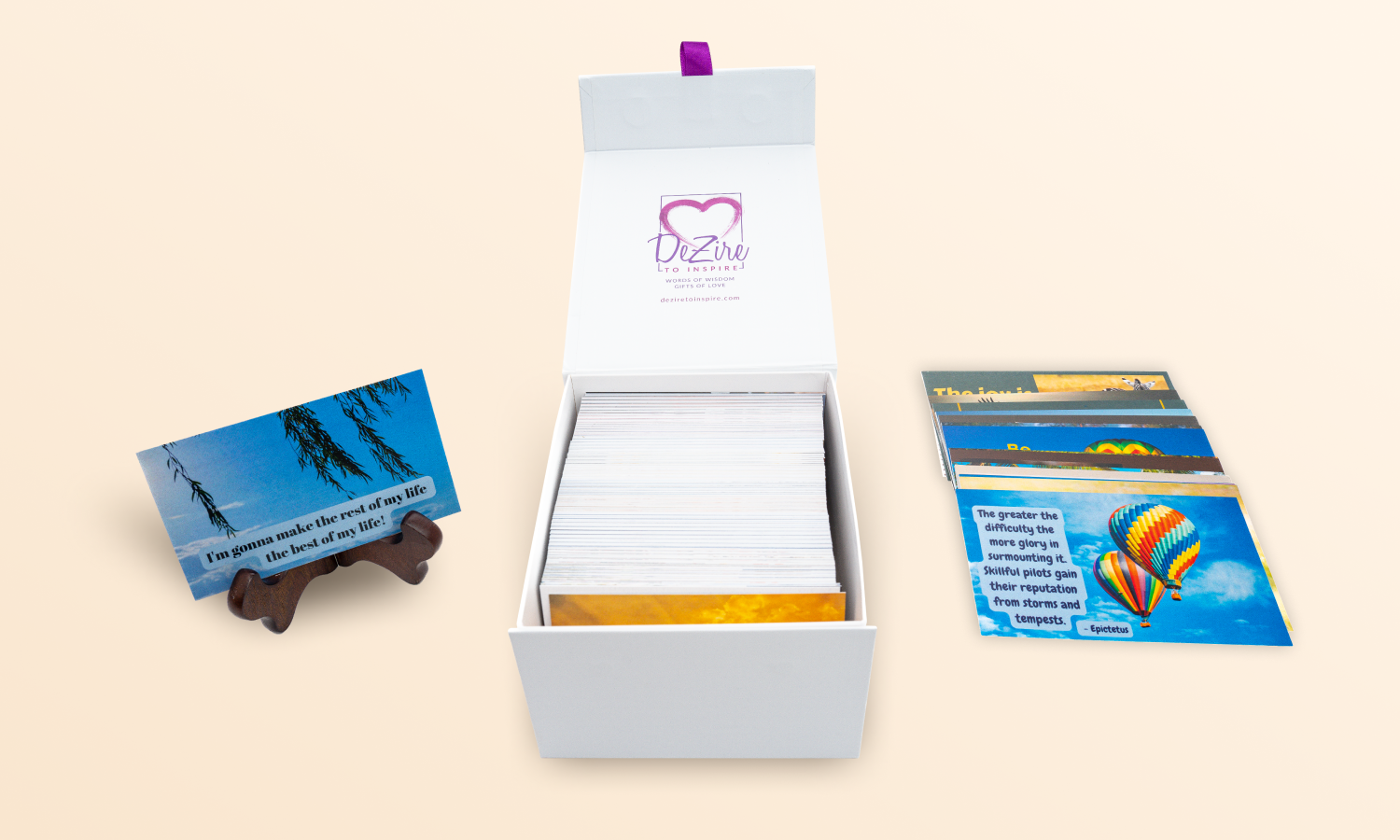
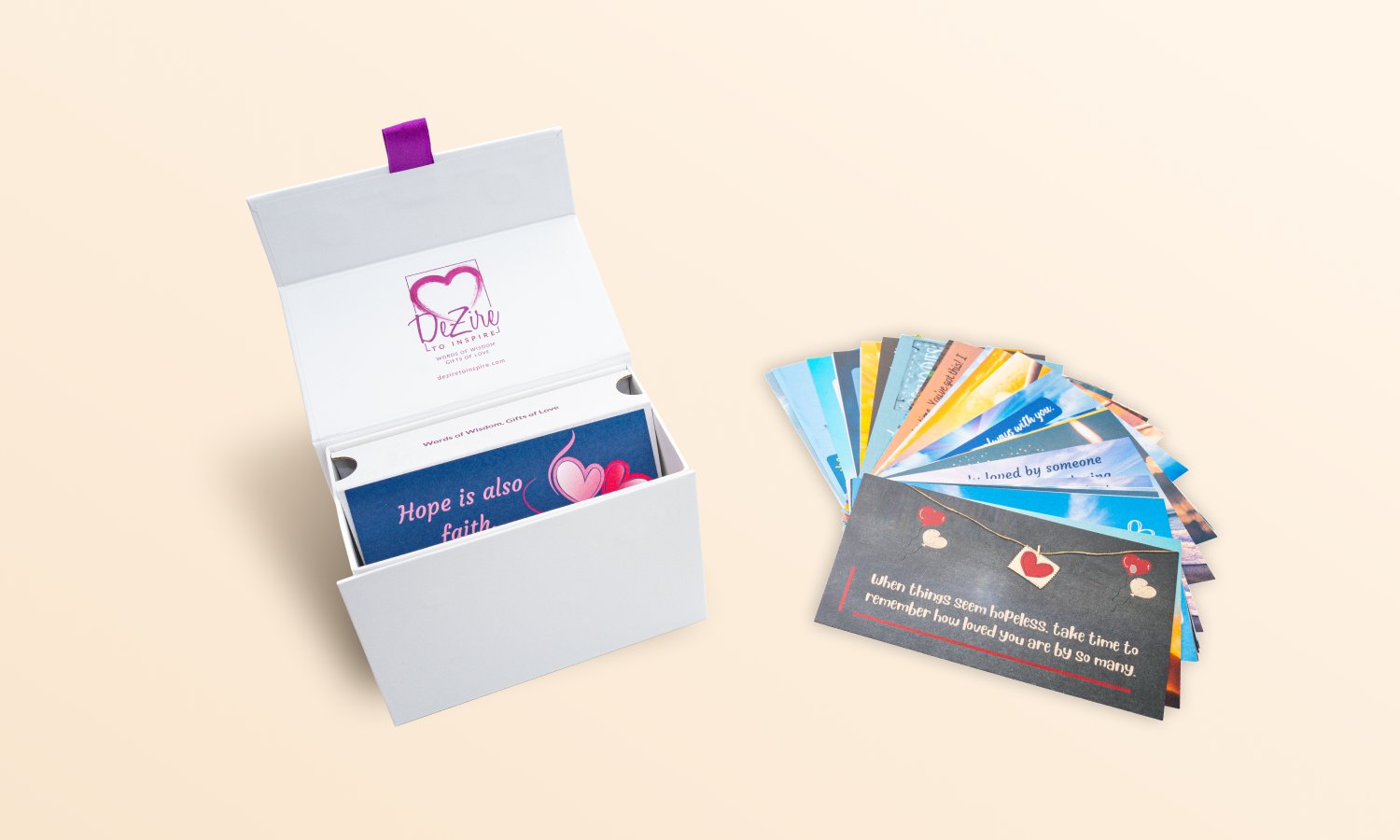
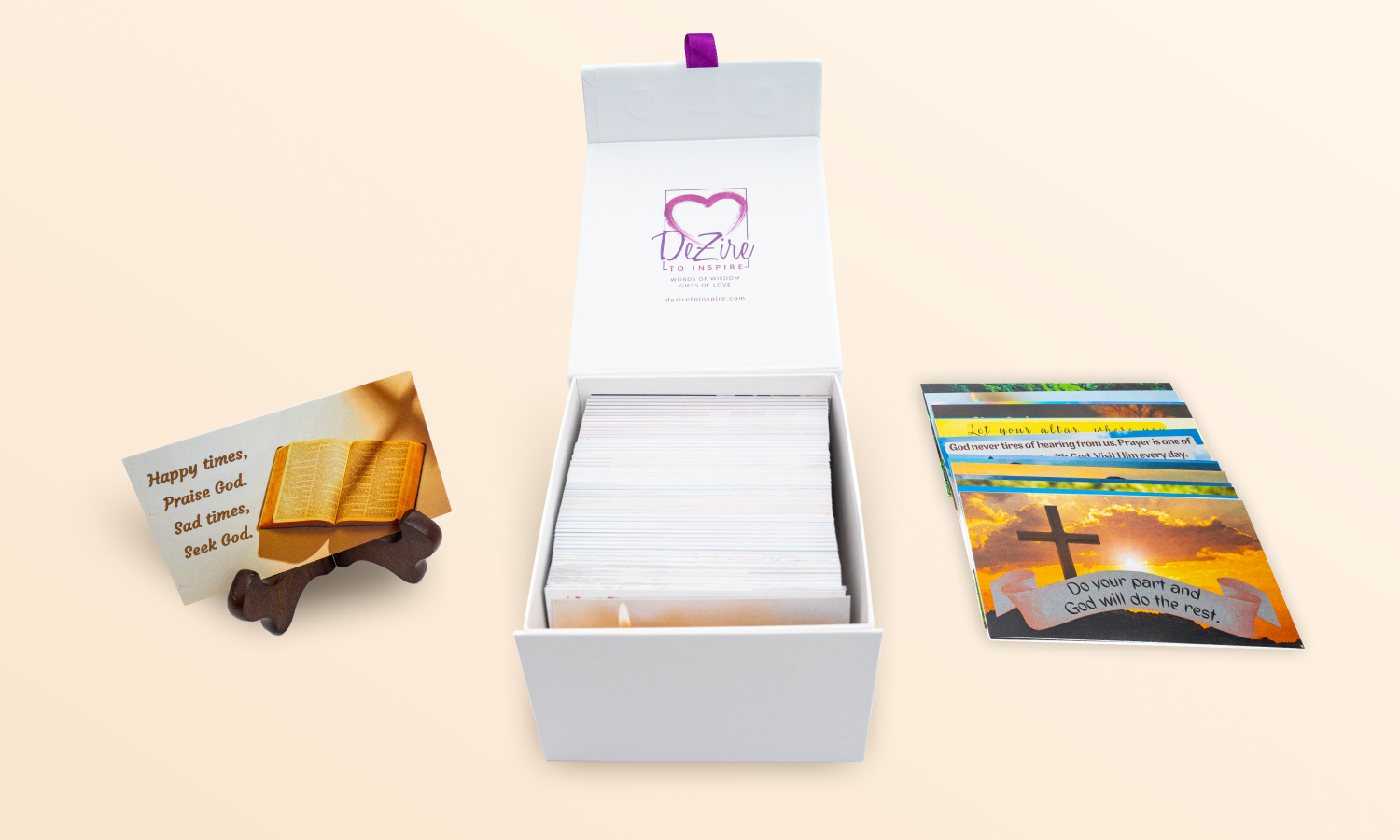
If someone in your life is grieving a pet, a thoughtful sympathy gift for pet loss can mean far more than they might initially let on, even if they insist they're "fine." A card or gift specifically acknowledging the loss of a pet, rather than a generic sympathy message, validates that this loss is real and worth honoring. A comfort through grief and loss set, especially one designed specifically around pet loss, offers something to return to over the weeks and months following the loss, not just in the immediate aftermath.
What to Say (and Avoid Saying) to Someone Grieving a Pet
A few words of genuine comfort go a long way: acknowledging the pet by name, sharing a specific memory if you knew them, and simply saying "I'm so sorry, I know how much they meant to you" carries real weight. Avoid comparisons to human loss meant to diminish it ("at least it wasn't a person"), rushed timelines ("it's been weeks, are you still upset?"), or quick-fix suggestions like immediately getting a new pet, which can feel dismissive of the bond that was just lost.
Supporting Children Through Pet Loss
Pet loss is often a child's first real experience with death, and how it's handled can shape how they understand grief going forward. Being honest, using clear language rather than euphemisms, and allowing them to participate in a small ritual, like writing a memory or drawing a picture, can help children process the loss in an age-appropriate way rather than feeling like the loss is something too big or confusing to talk about openly.
Why We Built a Dedicated Collection for This
Grief for a pet deserves its own space, not a corner of general sympathy messaging that doesn't quite capture what this specific loss feels like. Our own founder's journey into this work began with grief, handwriting cards to help two sisters through the loss of their mother, and that same principle, honoring a specific loss with specific, genuine words, shaped how we approached building a collection dedicated entirely to the loss of a dog or cat. You can read more about that story here.
Frequently Asked Questions
Is it normal to grieve a pet as intensely as a human loss? Yes. Pets are often woven deeply into daily life and routine, and grief intensity generally reflects the strength of the bond, not the type of relationship.
How long does pet loss grief typically last? There's no fixed timeline. Some people feel the sharpest grief in the first few weeks, while others find certain moments, like routine changes, bring up grief months later.
What's a meaningful gift for someone grieving a pet? A card or gift that specifically acknowledges the pet by name and the reality of the loss, rather than a generic sympathy message, tends to feel most meaningful and validating.
Should I get a new pet right away to help with the grief? This is a deeply personal decision, and there's no universally right timeline. Rushing into a new pet before you're ready can sometimes complicate the grieving process rather than resolve it.
How do I help a child understand the loss of a family pet? Honest, age-appropriate language and small rituals, like writing a memory or creating a keepsake together, can help children process the loss without feeling like it's too overwhelming to talk about.
Looking for a meaningful way to honor a pet you've lost, or support someone who has? Explore our full collection to find a card set built specifically for this kind of grief.